

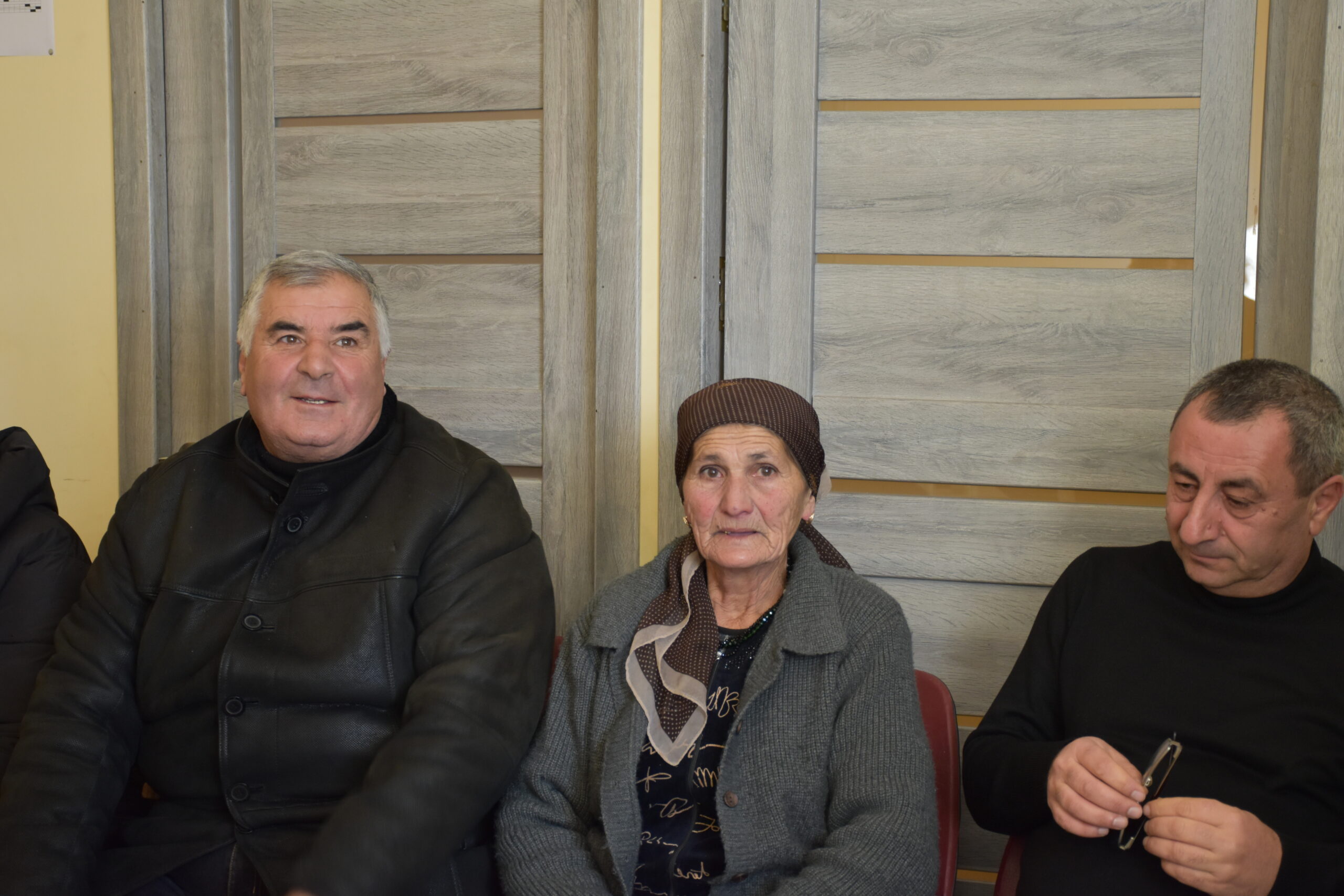
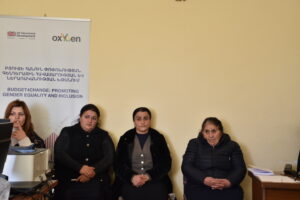
 Isolated from public and political life for decades, the Arevut Yezidi community is now forming an Advisory body under the Head of the Community and expressing its willingness to contribute to the activation of community life and to take part in decision-making processes. This is the choice of a closed, homogeneous ethnic community to move beyond the role of an observer and take responsibility for its own development.
The creation of an Advisory body by Arevut residents is a precedent-setting event. It took place within the framework of the “Budget4Change: Promoting Gender Equality and Inclusion” project and is the result of long-term, sensitive work.
The OxYGen Foundation achieved this milestone thanks to the unwavering dedication and support of the community’s Local Self-Government and field professionals. Work in the Arevut community began in mid-2025 and faced many challenges and obstacles, all of which were overcome through patient, determined effort.
The “Small Steps” Strategy
 For decades, the Arevut Yezidi community remained largely isolated from public and political life. Deep-rooted social, ethnic, and economic challenges, combined with specific cultural and gender norms, had limited community engagement. Understanding these circumstances and respecting cultural specificities, community development specialist Zara Aghanyan developed tailored methodologies and culturally sensitive tools to ensure effective communication and collaboration with residents.
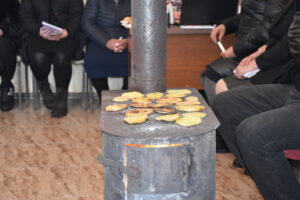
Over the past few months, meetings, discussions, and workshops have taken place in the Arevut community in a warm, inviting atmosphere around a traditional stove and accompanied by homemade village delicacies. The community administration and engagement specialist Haje Bakoyan played a key role in supporting active participation.
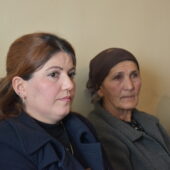
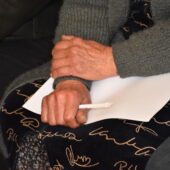
With each meeting, residents’ confidence and engagement grew. By the second meeting, younger participants began to attend. Women’s involvement also increased steadily. At every session, they became more confident, freely sharing their thoughts and making meaningful contributions to group work in shaping community initiatives.
By the third meeting, residents were discussing community leadership with a specialist. A key insight emerged: leadership is not about holding a formal position, it is a skill that every resident can develop.
Building Trust and Connection
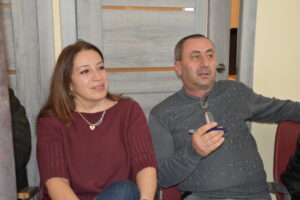 In January, the Arevut community administration published an official announcement about creating a Advisory body under the head of community. Initially, however, no applications were submitted. The challenge was not a lack of interest, but limited accessibility and scarce information about the body’s purpose, mandate, functions, and working format, as well as uncertainty about the application process, which required certain skills.
In this context, the fifth meeting became a turning point. During the session, residents were presented with the importance and role of the Advisory body. Many attendees expressed interest in participating in community decision-making at the civic level.
Through ongoing meetings, direct contact, and patient, consistent engagement, a climate of trust gradually developed. A dedicated social media group was established to maintain communication and share community-related information and opportunities.
Practical Steps and Initiative
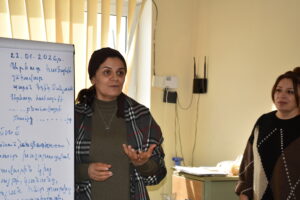 During the workshops, participants and specialists jointly developed several projects aimed at activating the community’s cultural and social life. Residents are now working to implement these initiatives, taking concrete steps toward creating a community center. Their collaborative efforts have already laid out a participatory foundation for the center’s operations, management, and community programs.
Alongside these initiatives, ongoing community meetings, discussions, and conversations will continue. The aim is to motivate residents, including advisory body members, promote women’s and youth leadership, and strengthen community solidarity.
The project is funded by the United Kingdom Government under the United Kingdom’s International Development Assistance.
